
Certification · For clinicians & health professionals

HeartMath Clinical Certification

When stress builds, the nervous system stays on high alert. This certification teaches you to pair real-time HRV coherence feedback with evidence-based techniques — so your patients can see the shift back to balance, and build lasting resilience.

Our most popular certification | Self-paced, start anytime | 8+ hours of video | HeartMath® Certified Practitioner

Enrollment

Certification only

$249

The complete training — seven video modules, course manual, patient handouts and forms, and your HeartMath® Certified Practitioner credential.

Certification + Inner Balance Coherence Plus

$399

Everything in certification only, plus the Inner BalanceCoherence Plus sensor & app to put in patients' hands.

Already have HeartMath technology? Choose certification only above. Self-paced, start anytime. Certification requires 80% on the final exam.

Overview

Give your patients something they can see working.

With HeartMath, patients watch their own heart rhythm shift in real time — from out of sync to in sync. That visible change is what makes self-regulation click, and what keeps people practicing between appointments.

HandHeart

The mechanism, explained

Learn how the autonomic nervous system, heart rhythm, and emotion interact — so you can explain the “why” to a skeptical patient in plain language.

icon_heartbeat_blue

Six techniques you'll teach

Quick Coherence®, Heart Lock-In®, Attitude Breathing™, Freeze Frame® and more — brief interventions patients can use the moment stress hits.

icon_stethoscope_blue

Protocols that fit real practice

Brief single-visit, multi-session, group, and acute-care protocols — with scripts, clinical forms, and patient handouts ready to use.

What you'll learn

Over seven online sessions

  • Brief interventions for emotional regulation that help patients take charge of their own health and well-being.
  • How to show patients their heart rhythm and emotional state changing in real time.
  • Individual and group protocols, with practical ways to increase patient engagement.
  • The science of self-regulation — enough to motivate patients to actually engage in self-care.
  • Clinical applications of HRV across stress, sleep, focus and emotional regulation.
  • How to use the Inner Balance Coherence Plus with patients — in session, virtually, or at home.
Who takes this certification

Clinicians across every discipline.

HeartMath sits alongside the care you already provide — it doesn't replace it.

icon_asclepius_blue

Medical

Physicians, nurses, nurse practitioners, physician assistants, and integrative medicine practitioners.

icon_brain_blue

Mental health

Psychotherapists, psychologists, counselors, social workers, and marriage & family therapists.

icon_person_blue

Body-based care

Chiropractors, naturopaths, physical and occupational therapists, acupuncturists, and massage therapists.

icon_stethoscope_blue

Specialty practice

Addiction counselors, trauma specialists, and board-certified health and performance coaches.

Curriculum

Seven units. Six techniques.

Six recorded classes plus a supplemental class on the technology — self-paced, start anytime. Estimated learning time is listed per unit where available — video, reading, and practice combined.

  • Stress and intelligent energy management
  • The autonomic nervous system and emotional regulation
  • Building resilience

You'll be able to
  • Discuss the domains of resilience and the importance of intelligent energy management for self-regulation of stress and emotions.
  • Describe how to use the self-regulation techniques personally and with patients to improve health and well-being.
  • Coherence and its impact on the human system
  • The heart's own complex nervous system — the “heart brain”
Technique: Quick Coherence®
You'll be able to
  • Discuss the impact of increased coherence on heart rate variability, brain function, and emotional well-being.
  • Analyze the functions of the sympathetic and parasympathetic branches of the autonomic nervous system and their relationship to coherence.
  • Apply emotional refocusing techniques to support a coherent state in moments when stress management and emotional regulation are needed.
  • How our emotions and attitudes affect the heart's magnetic field
  • Why provider self-care directly impacts quality of care
Technique: Heart Lock-In®
You'll be able to
  • Identify and interpret the concepts of relational and emotional energetics and their impact on patient care.
  • Summarize the importance of effective communication in healthcare interactions.
  • Describe how to apply an active practice of self-care and communication techniques to improve health outcomes.
  • A deeper understanding of heart rate variability
  • Clinical applications and outcomes
  • Technology options for HRV and coherence training
Technique: Attitude Breathing™
You'll be able to
  • Review and discuss the importance of HRV analysis as it relates to clinical outcomes.
  • Discuss and practice emotional restructuring techniques to replace incoherent HRV states with states that support healthy change.
  • Clinical case studies
  • A sample brief protocol you can use immediately
Technique: Freeze Frame®
You'll be able to
  • Discuss the defining factors that determine a patient's appropriateness for a brief intervention protocol.
  • Identify specific goals and objectives for a given patient profile.
  • Complexity and the mind–body connection
  • Complex cases, trauma-informed adaptations, and working with children
  • The multi-session protocol

You'll be able to
  • Compare and contrast the key differences between multi-session, brief intervention, group, and crisis/acute care approaches using HRV tools and techniques.
  • Summarize the signs of under-arousal and over-arousal, and how the two states relate.

Learn to use HRV coherence feedback in a clinical setting with the Inner Balance Coherence Plus sensor and HeartMath App.

  • Train patients in session, virtually, or send them home to practice
  • Assign multi-day journeys and homework geared to specific outcomes
  • Store session data and track progress between appointments

You'll be able to
  • Integrate the Inner Balance Coherence Plus and HeartMath App into your practice, whether patients train in session, virtually, or at home.
  • Use the app to assign multi-day journeys and homework geared toward specific patient outcomes.

The peer-reviewed literature this course draws on:

  • Culbert, T. Perspectives on Technology-Assisted Relaxation Approaches to Support Mind-Body Skills Practice in Children andChildrenTeens: Clinical Experience and Commentary. , 2017; 4(20).
  • Dijkstra, M; Soer, R; Bieleman, A; McCraty, R; Oosterveld, F; Gross, D; Reneman, M. Exploring a 1-Minute Paced Deep Breathing Measurement of Heart Rate Variability as Part of a Workers' Health Assessment. Applied Psychophysiology and Biofeedback, 2019; 44:83–96.
  • Elbers, J. et al. Clinical Profile Associated with Adverse Childhood Experiences: The Advent of Nervous System Dysregulation. Children, 2017; 4:98.
  • Field, L; Edwards, S; Edwards, D; Dean, S. Influence of HeartMath Training Programme on Physiological and PsychologicalGlobal Journal of Health ScienceVariables. , 2018; 10(2).
  • Mather, M; Thayer, J. How Heart Rate Variability Affects Emotional Regulation Networks. Current Opinion in BehavioralSciences, 2018; 19:98–104.
  • McCraty, R. Heart-Brain Neurodynamics: The Making of Emotions. In Issues of the Heart: The Neuropsychotherapist special issue, 2015; 76–110.
  • Williams, D. et al. Difficulties in Emotion Regulation. Frontiers in Psychology, 2015; 6:261.
What's included

What comes with your certification

icon_video_blue

Seven video modules

Over 8 hours of on-demand video — a seven-hour core course plus a bonus module on the technology — with reading and assignments alongside. Roughly 20 hours of coursework in total.

Icon_books_blue

Course manual & clinical toolkit

Scripts, case study examples, clinical forms, patient handouts, and a clinical compendium — all downloadable.

icon_device_mobile_camera_blue

Supplemental technology training

Video training on using the Inner Balance Coherence Plus and HeartMath App with patients in clinical settings.

icon_medal_blue

HeartMath® Certified Practitioner

Your credential on passing the exam, plus a certificate of completion documenting the 20 hours for your board.

icon_users_four_blue

Provider Directory listing

Apply to be listed in the HeartMath Directory of Certified Professionals so patients can find you.

icon_path_blue

CE credit pathways

Approved for CE credit through several boards — see the options below.

Enroll

Everything you need, in one enrollment.

Choose certification only, or add the Inner Balance Coherence Plus for your patients.

$249 Certification only

Seven video modules · course manual, forms & patient handouts · continued access

Self-paced, start anytime · 80% required on the final exam, retake as often as you need · Want it bundled with the Inner Balance Coherence Plus? See options above.

Your instructor

Taught by a practicing clinician

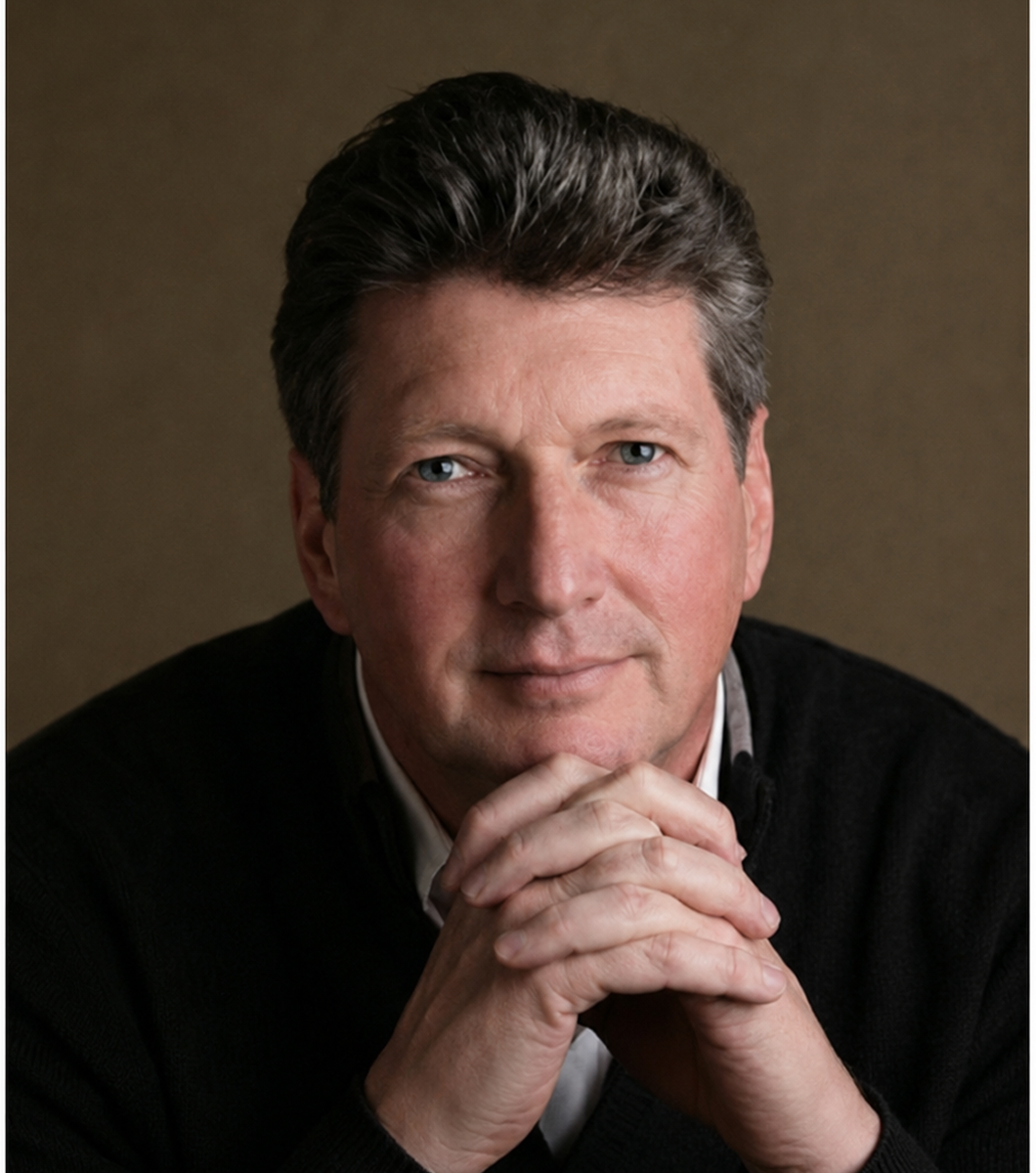
Timothy P. Culbert, MD, FAAP, IFMCP

Developmental Pediatrician · Pediatric Integrative Medicine · Medical Director of Integrative Medicine, PrairieCare — a University of Minnesota Medical School affiliate.

  • Board certified in Pediatrics, Developmental & Behavioral Pediatrics, Biofeedback
  • Certified Functional Medicine Practitioner
  • Assistant Professor of Clinical Pediatrics and Adjunct Professor, Center for Spirituality and Healing, University of Minnesota
  • American Academy of Pediatrics Executive Committee, Section on Complementary, Holistic and Integrative Medicine
  • Clinical focus: holistic mental health, chronic pain, self-care skills for children, and biofeedback
The research behind this training

The science taught in this certification comes from the HeartMath Institute — an independent nonprofit that has pioneered research on the heart-brain connection since 1991, mapping how the heart's rhythm shapes stress, emotion, and the state of coherence. Their peer-reviewed work is what HeartMath translates into the tools and training you'll use with patients.

80+ peer-reviewed studies · 12,000+ certified practitioners worldwide

From the field

Clinicians on using HeartMath in practice.

Over the years, HeartMath has conducted research validating the power of the heart in relieving stress and promoting health.They've formulated practical interventions that incorporate the understanding that the heart profoundly affects our perceptions ,awareness, and intelligence.
Mimi Guarneri, MD
President, Academy of Integrative Health and Medicine
Throughout my last ten years of intensive trauma and attachment-focused clinical interventions, the science of HeartMath has proven to be one of my most effective tools.The state of high coherence makes all forms of intervention easier to implement.
Steve Sawyer, LCSW, CSAC
Trauma therapist
During a four-week program, the patient tapered off all narcotic medications and switched to non-opioid medications — and his pain decreased. He stopped talking about pain, his sense of humor returned, and he barely used his cane. He got his life back.
Nurse Practitioner
HeartMath Certified Practitioner
Eligibility & continuing education

Who can become certified

Certification is limited to health professionals who are licensed or certified and working with patients primarily on physical or mental health issues. Students in a formal health professional training program and those working under supervision are also eligible.

State, provincial or nationally licensed or certified professionals as listed below:

  • Licensed Mental Health Professionals
  • Licensed Medical Professionals
  • Certified Health Professionals (training must include consultation, mentoring, in-person training, or internship)
  • Students in a licensure-track medical or mental health educational program

Click here for a detailed listing of eligible professionals.

  • Achieve 80% or higher on the final exam — retake as needed until you pass
  • Upload proof of current licensure, certification, or student status
  • On certification, apply to be listed in the HeartMath Directory of Certified Professionals (listing at HeartMath's discretion)

If your modality isn't listed, or you have questions about your eligibility, book a short call and we'll confirm before you enroll.

Continuing education credit

Certification is limited to health professionals who are licensed or certified and working with patients primarily on physical or mental health issues. Students in a formal health professional training program and those working under supervision are also eligible.

HeartMath Clinical Certification for Stress, Anxiety, and Emotional Regulation is approved by the National Boardof Health and Wellness Coaches (NBHWC) for six hours of CE credit for recertification. NBC-HWC #CEA-000379-1. Please contact info@nbhwc.org (only) for more information.

HeartMath Clinical Certification is approved by the Biofeedback Certification International Alliance (BCIA) forseven hours of CE credit toward biofeedback and neurofeedback recertification. Please contact info@bcia.org formore information.

(For Health Coaches) HeartMath Clinical Certification for Stress, Anxiety, and Emotional Regulation has been approved by the Health Coach Alliance for 20 CECs upon successfully passing the final quiz with a mark of 80% or higher. Please contact info@healthcoachalliance.ca for details.

(For Holistic Nutritionists) The Canadian Association for Integrative Nutrition recognizes the HeartMath Clinical Certification for Stress, Anxiety, and Emotional Regulation. Please contactinfo@integrativenutritionassociation.com for details.

Questions

Before you enroll

Seven on-demand video modules — six core modules averaging about 70 minutes each, plus an 82-minute bonus module on the technology — with reading and assignments alongside. Over 8 hours of video in total.Entirely self-paced: start whenever you like and work at your own speed.

The video is just over 8 hours. Counting reading, practice, the exam, and the evaluation, the full course comes to about 20 hours — the figure on your certificate of completion. Most clinicians spread it across several weeks.

Yes — that's a core objective. You'll learn six HeartMath techniques and how to teach each one to patients.

The course manual and all handouts are available electronically in the Learning Center as soon as you register — scripts, case study examples, clinical forms, patient handouts, and a clinical compendium.

A certificate confirming you completed the 20 hours required for the course. You may need it to submit for continuing education credit through your certification or licensing board. On passing the exam you also earn the HeartMath® Certified Practitioner designation.

Same science, same techniques — the difference is where the practice happens. HCC is for clinicians who teach HeartMath during the appointment, then send patients home to practice between visits with an Inner Balance Coherence Plus — some clinicians keep sensors on hand for patients, others have patients buy their own. HMIP is for running sessions with patients in your office using emWave® Pro Plus desktop software, which stores session data for multiple patients over time — and that program does include the emWave Pro Plus. If most of your work happens in the room with the patient, look at HMIP.

HeartMath fully complies with the ADA. If you need accommodations, or have a concern about the CE course or process, contact Heather Hoefs at heather@heartmath.com.

We're here to help

Not sure this is the right one?

Tell us about your patients and how you practice — in session, virtually, or both. We'll help you find the right training, tool, or starting point for the care you provide.

Prefer to talk it through?

Book a free 15-minute call