
Can Your Brain Get Younger?

2 min read

Can Your Brain Get Younger?

New USC Study Shows Heart Coherence Training May Reverse Key Signs of Brain Aging


Heart–Brain Connection and Cognitive Health


Aging is often accompanied by a natural decline in the brain’s ability to regulate blood flow, which is associated with cognitive decline, but new research shows that targeted Heart Rate Variability (HRV) coherence biofeedback training can counteract some of these effects. The 2025 Imaging Neuroscience paper, led by researchers at the University of Southern California and supported by NIH funding, found that daily practice with the emWave® Pro, developed by HeartMath to increase heart rhythm coherence, strengthens heart–brain communication and supports cognitive function across the lifespan.


Studying the Rhythms of the Body and Brain


The study examined younger and older adults to see how low-frequency heart rhythms and breathing patterns affect brain activity, as measured by functional MRI (fMRI). Over time, decreases in HRV and neurovascular coupling—how the brain adjusts its blood flow to meet activity demands—have been strongly linked to aging and cognitive decline. To address this, researchers introduced Heart Rate Variability Coherence Biofeedback (HRVC-BF), a practice designed to train participants to consciously increase the coherence and stability in their heart rhythms.


Training the Heart for Brain Resilience


Participants completed five weeks of HRVC-BF training using the emWave Pro coherence system, which provides real time feedback on heart rhythms, guiding users to find their personal “coherence frequency”—typically around six breaths per minute. Those trained to increase the stability of their coherence frequency in the heart rhythm oscillations showed brain activity patterns more like those of younger adults. Specifically, regions tied to emotional regulation and higher cognitive control—such as the anterior cingulate, insula, and orbitofrontal cortex—demonstrated improved synchronization with cardiac rhythms following training.


Coherence: A Bridge Between Heart and Brain


In essence, the study found that the emWave system helps bridge the conversation between heart and brain by restoring coherent physiological communication. This coherence—a harmonious alignment of heart rhythms and neural activity—not only enhances emotional resilience but also supports cerebral blood flow, contributing to clearer thinking and improved memory.


The Path to a Younger Brain


These newest results affirm what HeartMath’s decades of research have shown: Cultivating heart coherence through HRV coherence feedback fosters the physiological conditions for calm, focus, and brain longevity. As lead researcher Dr. Mara Mather notes, practices that strengthen heart rhythm coherence may do more than soothe stress—they might help the brain stay biologically younger, offering a promising, noninvasive path to lifelong cognitive health.

Song, R., Min, J., Wang, S., Mather, M., & Thayer, J. F. (2025). ”Age-related differences in physiological–BOLD coupling and the effects of heart rate variability biofeedback training”. Imaging Neuroscience, 3(1). https://doi.org/10.1162/imag_a_00097

Heart Connection Matters

1 min read

Heart Connection Matters

One of the most effective ways to help ourselves and help humanity at the same time is to deepen our heart connections with each other. Neuroscience...

Read More
It Starts with the Heart: Could Your Heart Hold the Key to Better Mental Health?

1 min read

It Starts with the Heart: Could Your Heart Hold the Key to Better Mental Health?

May is Mental Health Awareness Month, which offers us a unique opportunity to consider not only what goes on in our minds but also the profound...
Read More
Biohacking the Heart–Brain Connection: Dave Asprey with Rollin McCraty, PhD

1 min read

Biohacking the Heart–Brain Connection: Dave Asprey with Rollin McCraty, PhD

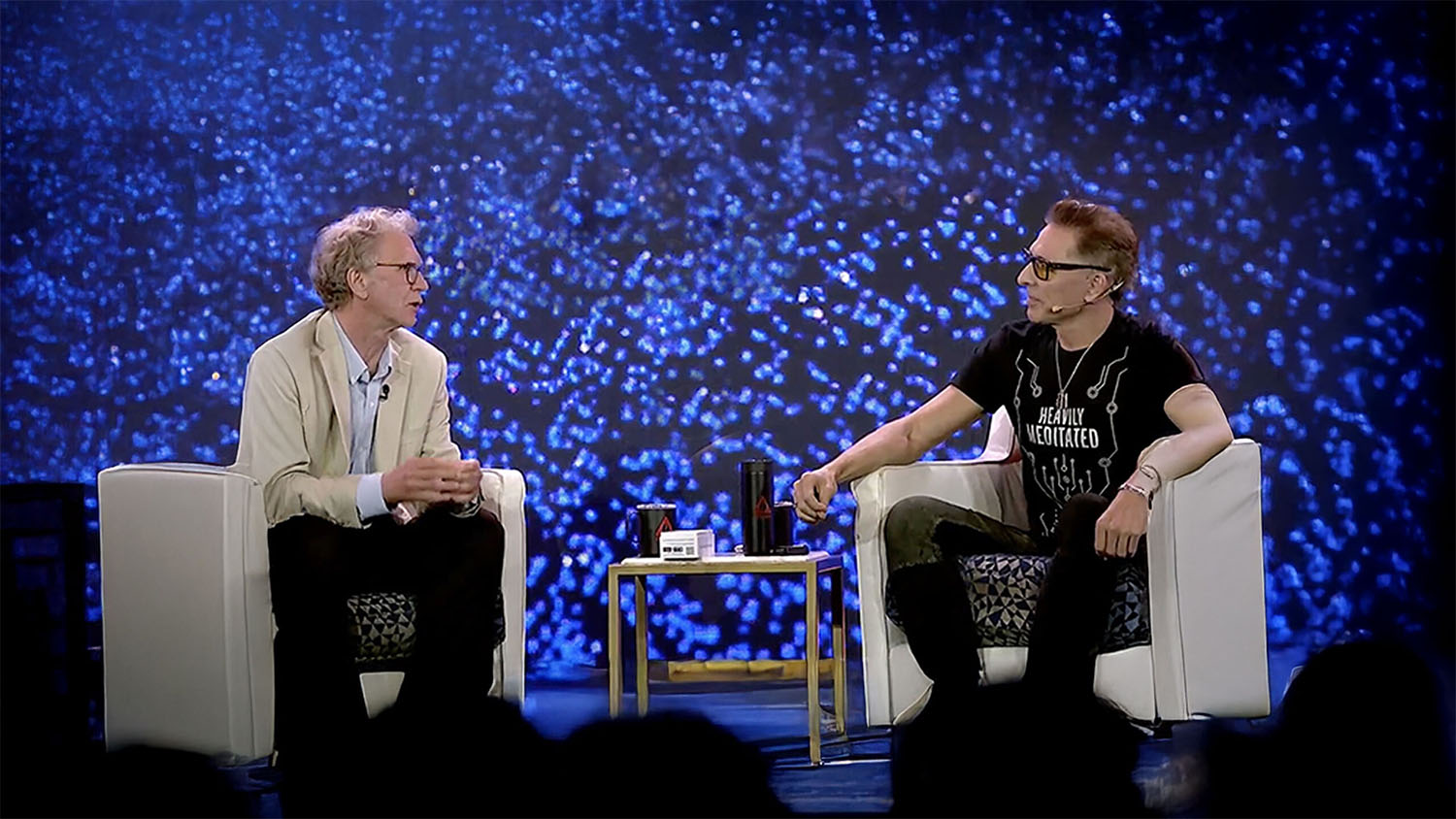
At a recent conference, biohacker and entrepreneur Dave Asprey hosted a Fireside Chat with Dr. Rollin McCraty, Director of Research at the HeartMath...

Read More